
Our Texas-Sized Diamond Guide
When it’s time to buy diamond jewelry, you can rely on us to help you find the best selection in West Texas. Unlike other big purchases, the most important features of a diamond may not seem quite so obvious. There are many facets that add value to a diamond and understanding these will help you make the right choice. Explore our guide below to learn everything you need to know about diamond grading and begin your jewelry search.
Diamond Guide
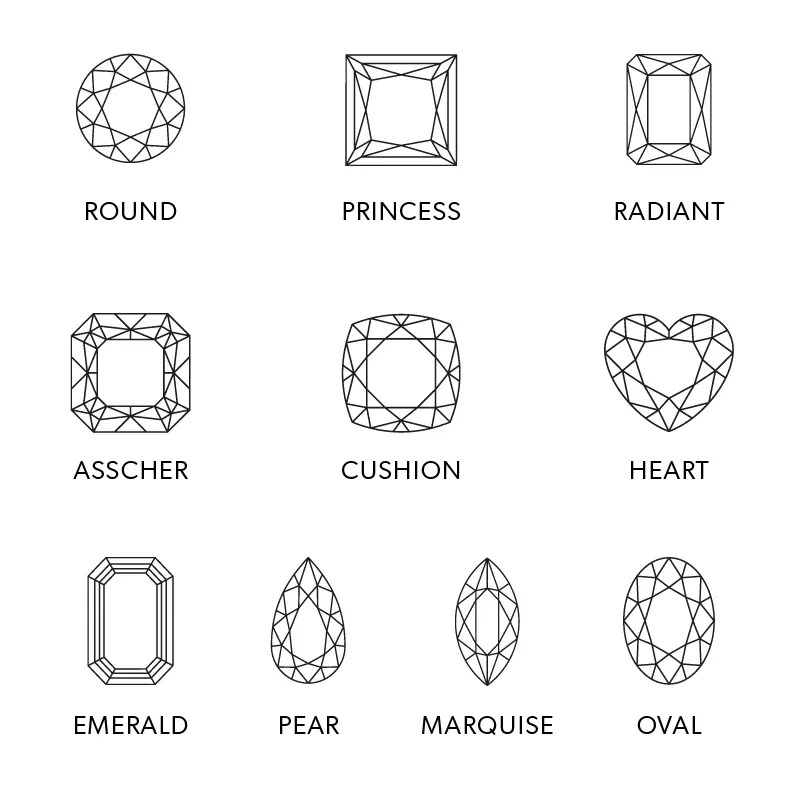
Diamond Shapes
The shape of a diamond falls into two basic categories, which are round and fancy-shaped. Traditionally, the most popular shape is a brilliant round cut as it showcases the radiance of the gemstone. However, diamonds come in a variety of shapes. Choose your favorite look and you can't go wrong.
Diamond Guide
Lab Grown vs. Mined
Lab grown diamonds are identical to mined diamonds in every way except for the fact that they are man-made. Because of this, larger diamonds will cost less allowing you to get more bang for your buck. But, whether you're looking for a lab grown diamond or a natural, mined stone, we've got you covered.

The 4C's
There are four characteristics that determine a diamond's value. These are cut, color, clarity and carat weight. Learn what to look for during your diamond purchase.
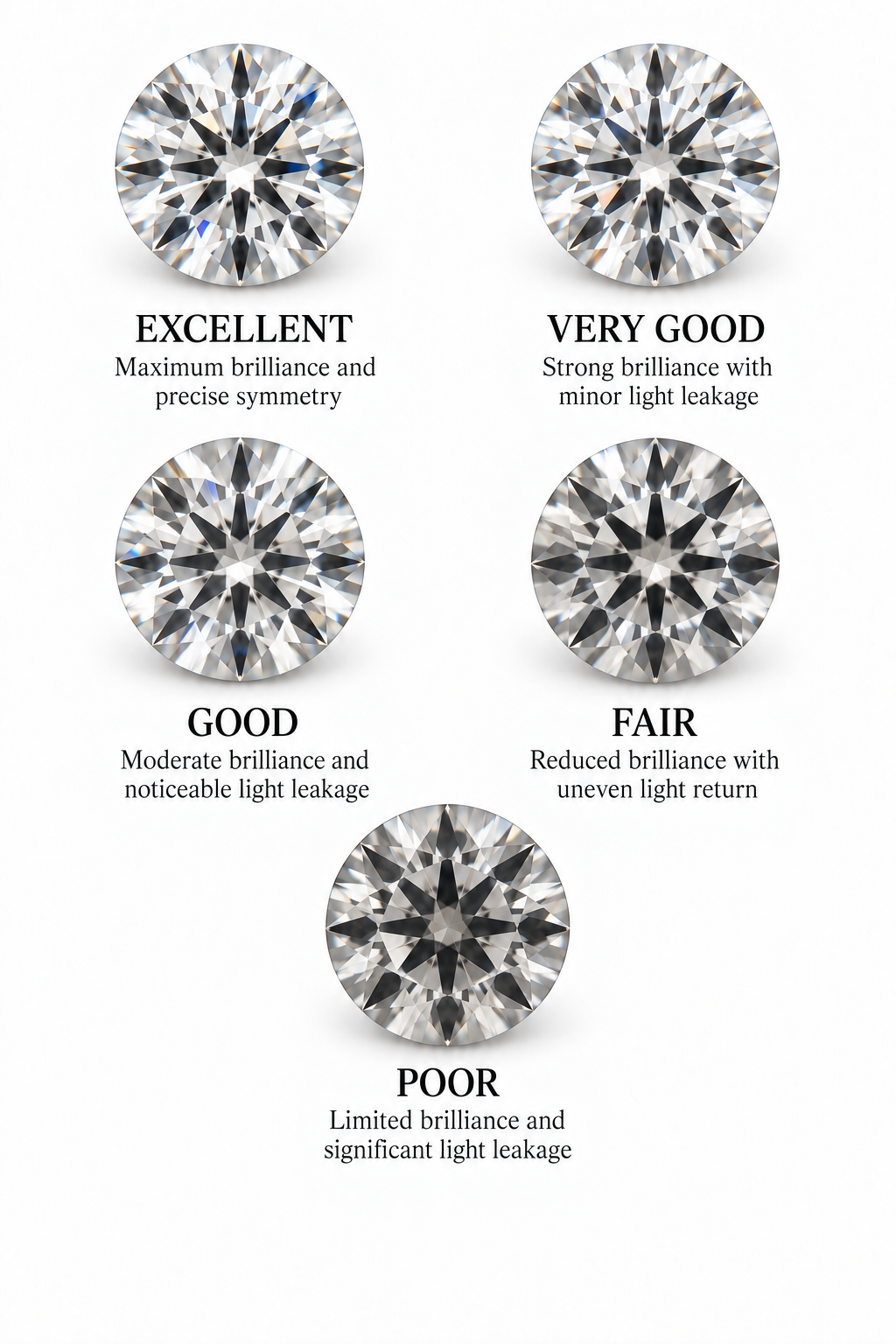
Cut
Often mistaken for shape, the cut of a diamond dives deeper than just aesthetics. It accounts for the symmetry, proportions and polish of the gemstone, which is what makes the stone sparkle radiantly.
Color
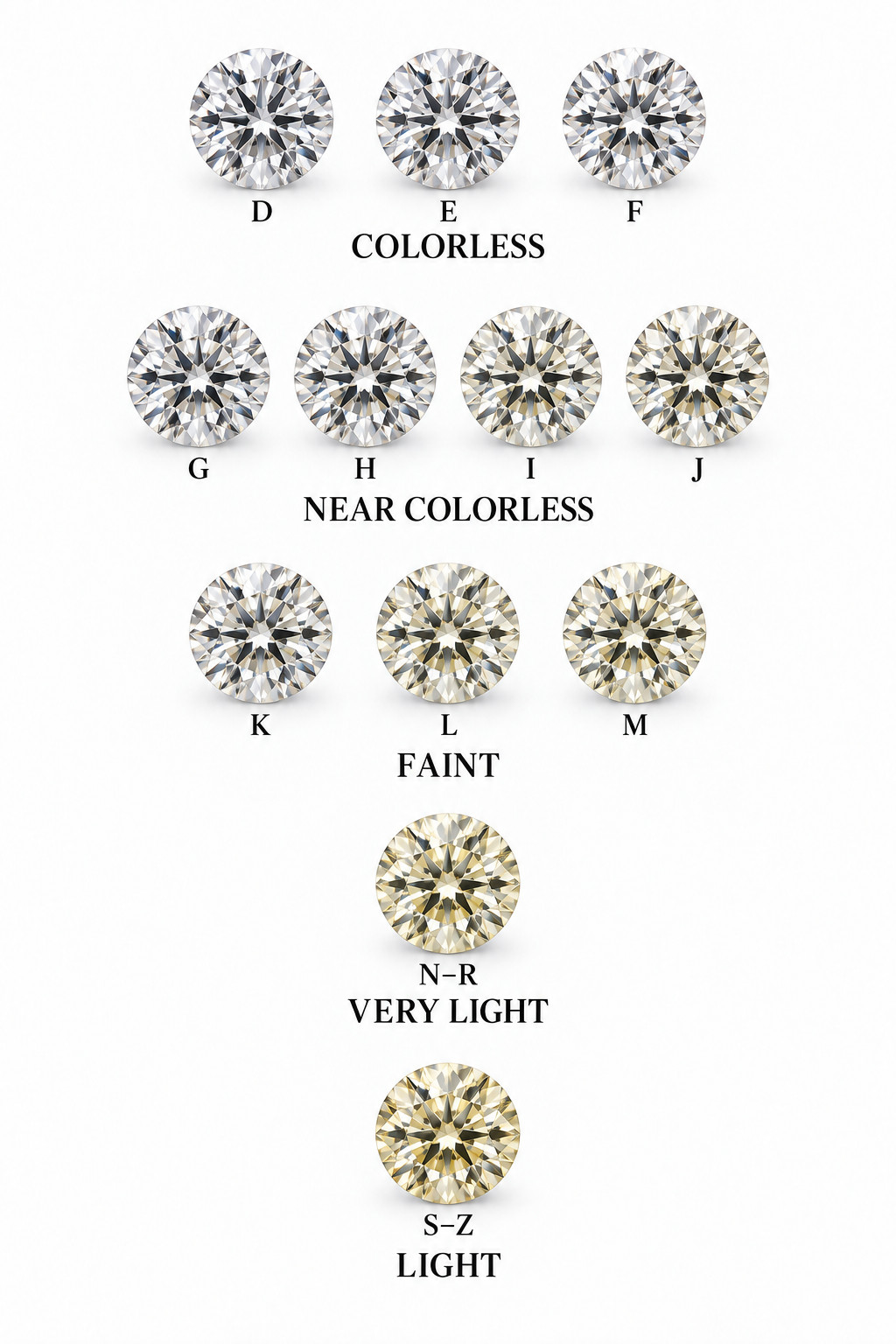
While diamonds aren't thought to be vibrantly colorful gemstones, they are graded based on the presence of color. The Gemological Institute of America uses a scale from D (colorless) to Z (yellow). Nearly colorless diamonds are more rare and will, in turn, cost more.
Clarity
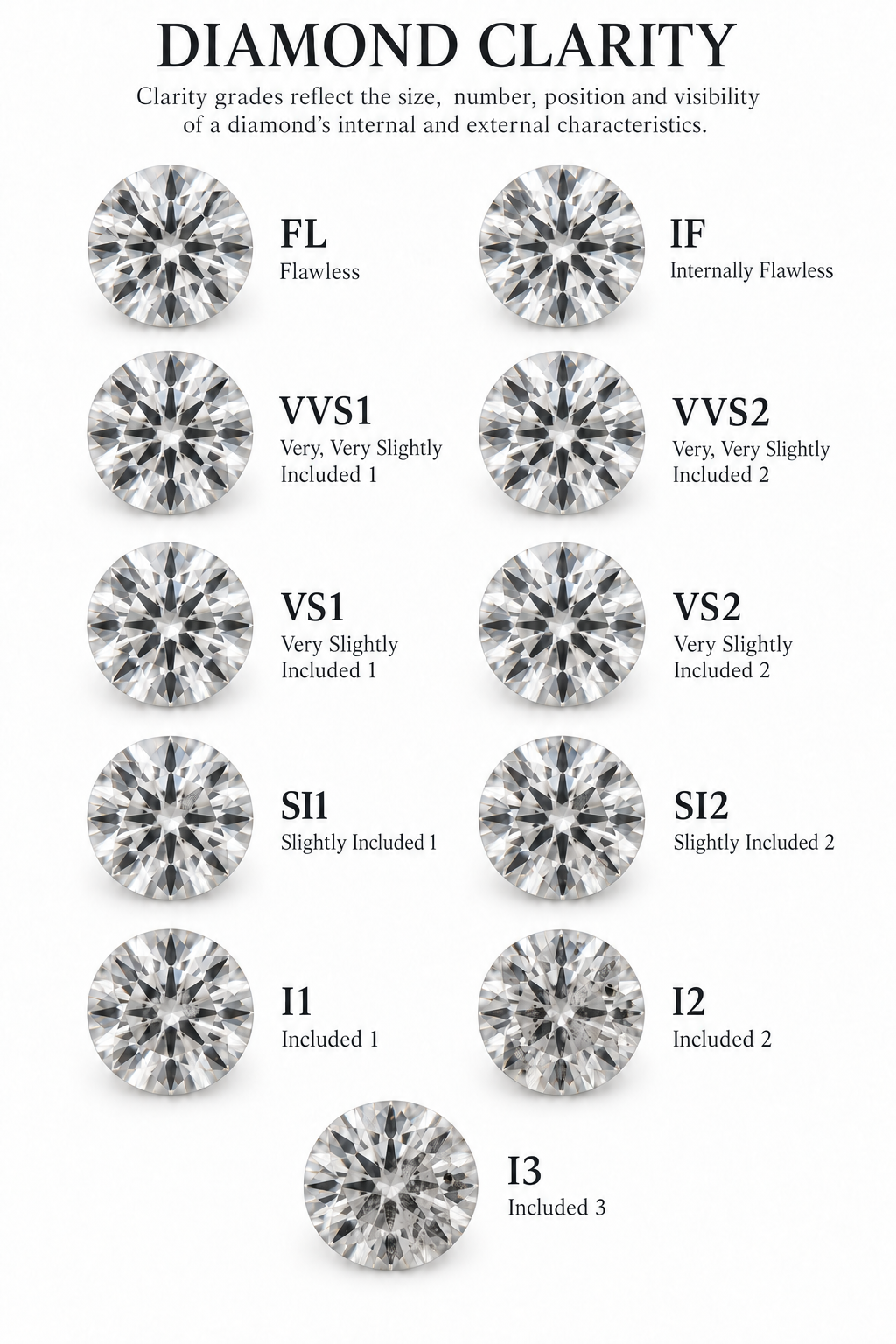
Natural diamonds are formed when carbon, heat and pressure mingle deep in the earth. During this process, minerals and elements can cause the formation of blemishes and inclusions. These natural imperfections can be observed on both the inside and outside of a diamond. Too many blemishes can make the diamond appear cloudy or dull.
Carat Weight
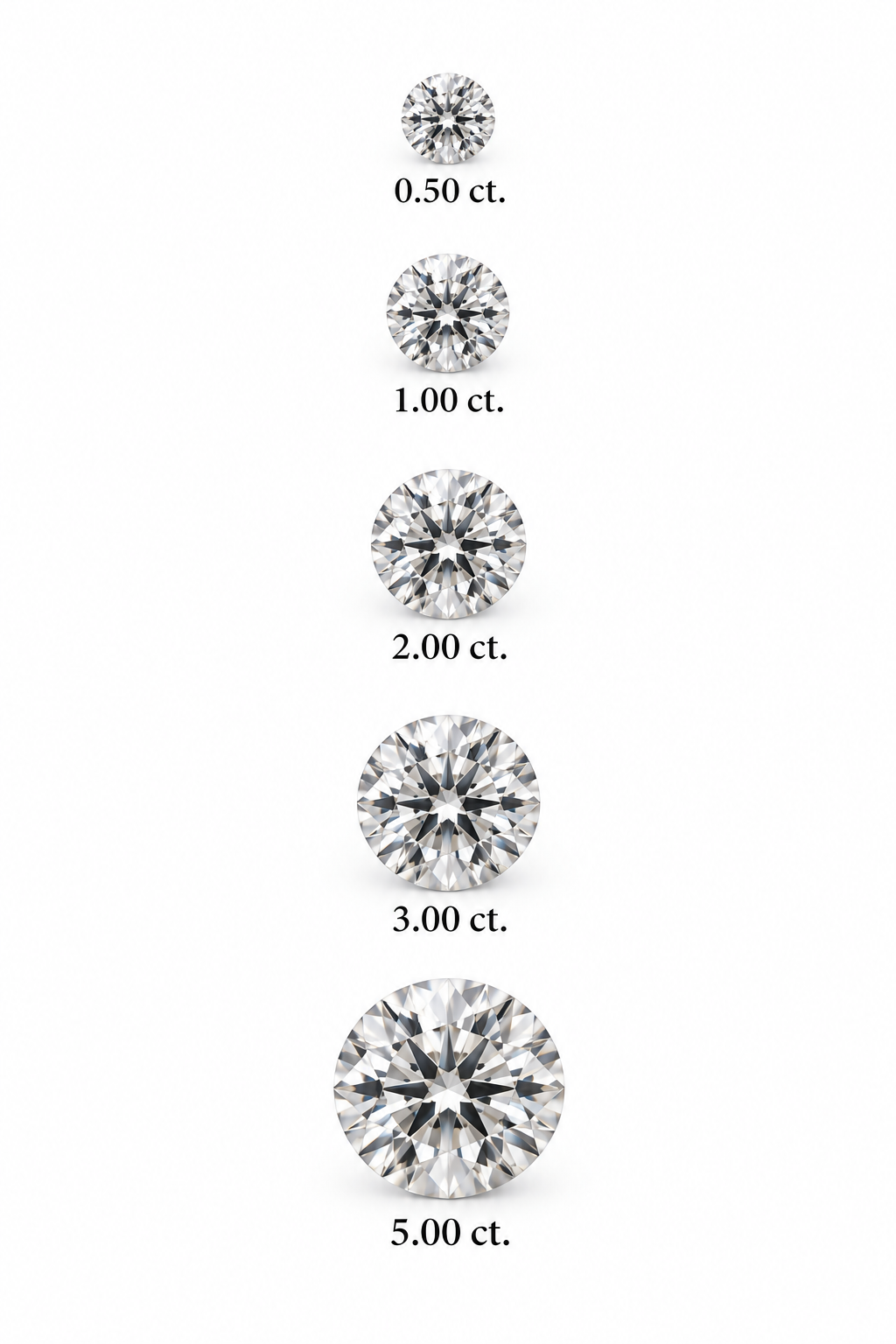
Not to be confused with size, the carat of a diamond actually refers to its weight. One carat will feel about as heavy as a paperclip on your finger. A larger, dense diamond is rarer and will cost more.
Diamond Guide
Metal Types & Settings
While a loose diamond is brilliant as is, we know you'll enjoy it more when it's set in a piece of Jewelry. Whether you're looking for an anniversary gift or a dazzling engagement ring, check out these popular metal types and settings.
Note: At Thacker Jewelry, we only manufacture in the precious metals of Gold, Silver, or Platinum. We do not, and cannot, manufacture in alternative metals such as Titanium, Cobalt Chrome, and Zirconium — these are listed below for reference only.
-
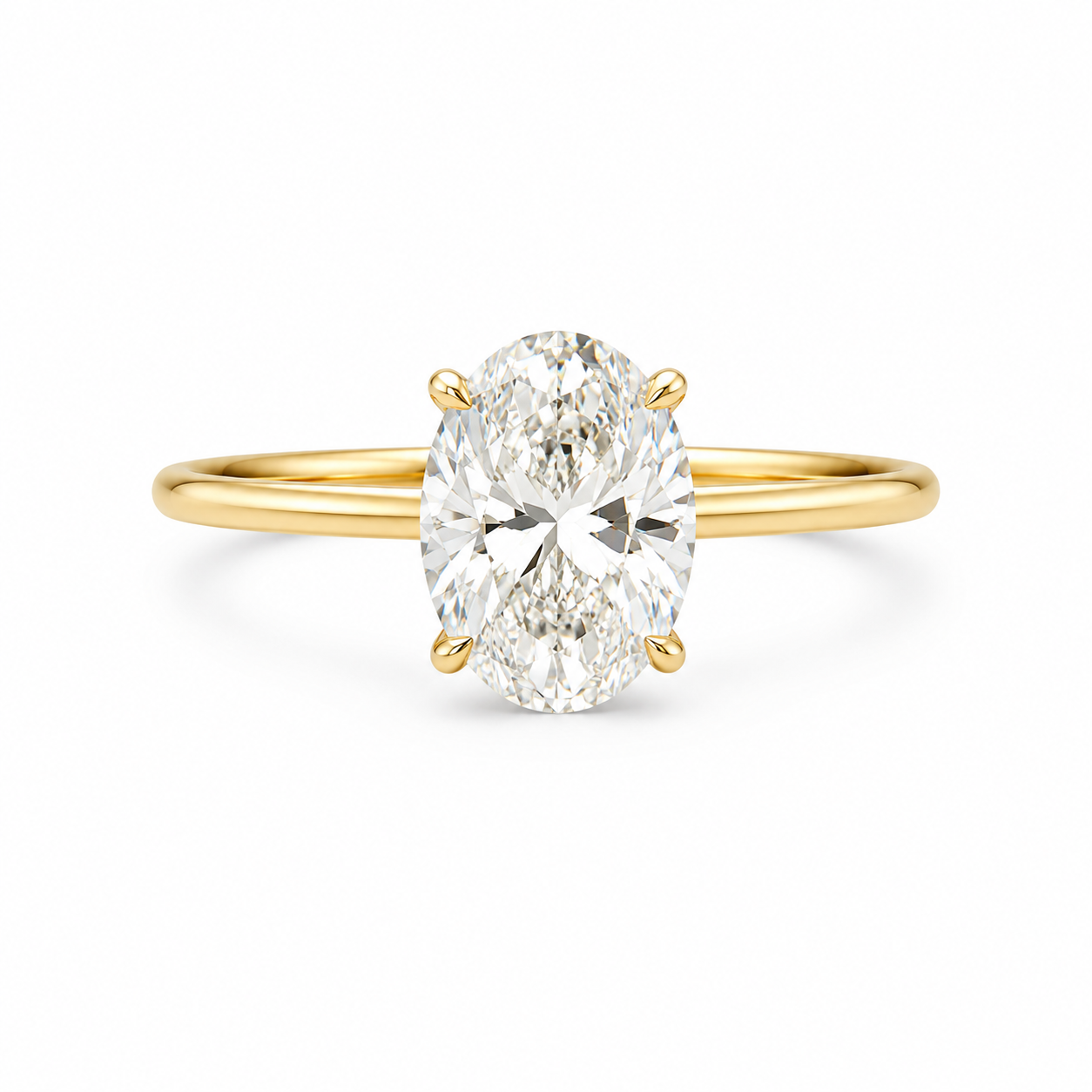
Gold
Shimmering for any occasion, this metal is timeless in hue of white, yellow and rose.
-
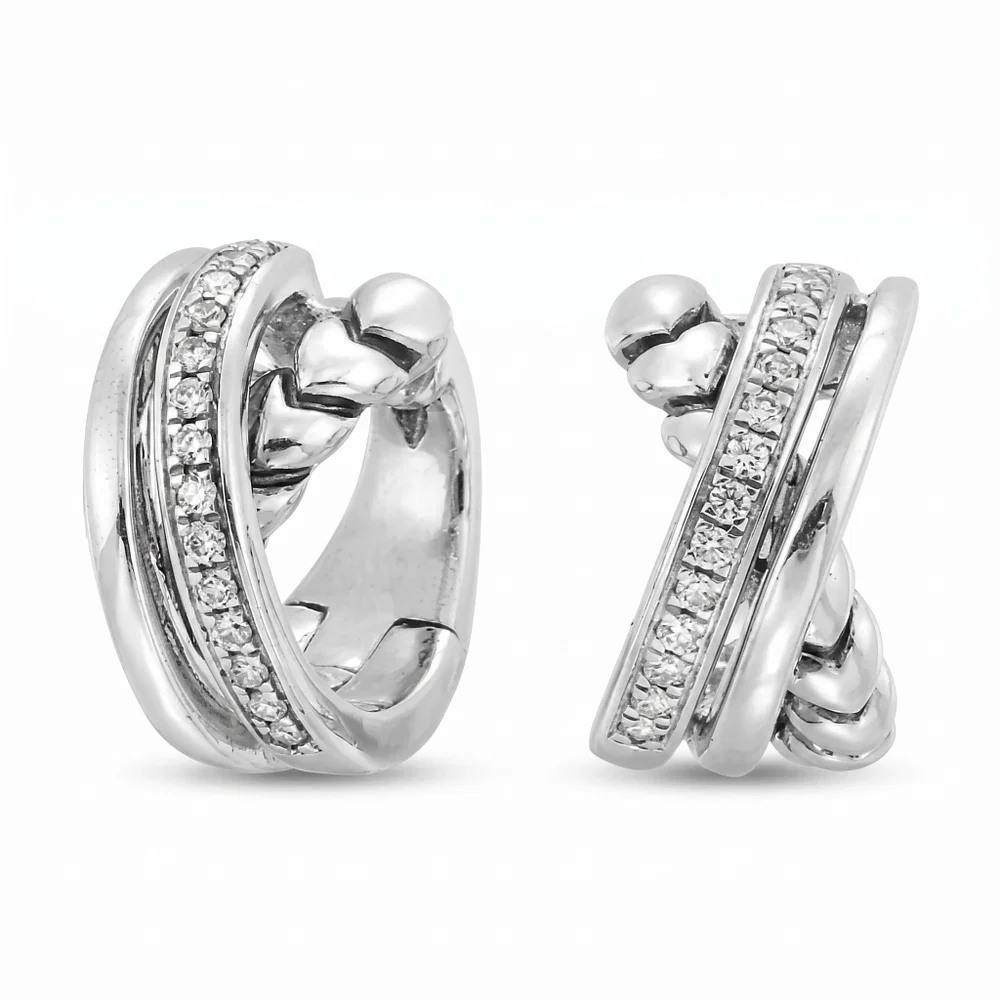
Silver
This ready-to-shine material is the perfect choice for a modern, polished look.
-
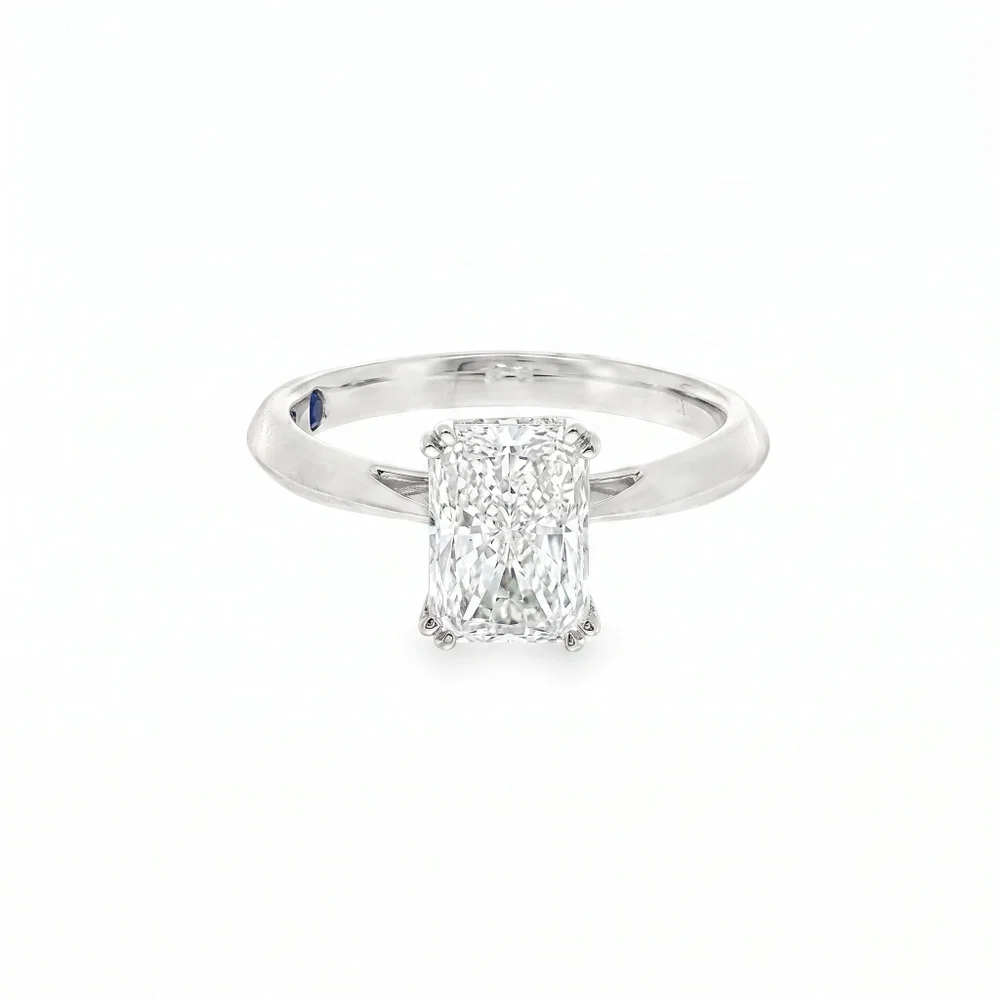
Platinum
Clocking in at the heaviest of all precious metals, platinum retains its white luster for life.
-
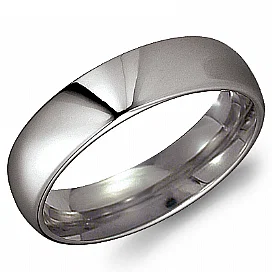
Titanium
If you're looking for a lightweight and corrosion-resistant piece, this metal is perfect for rough wear.
-
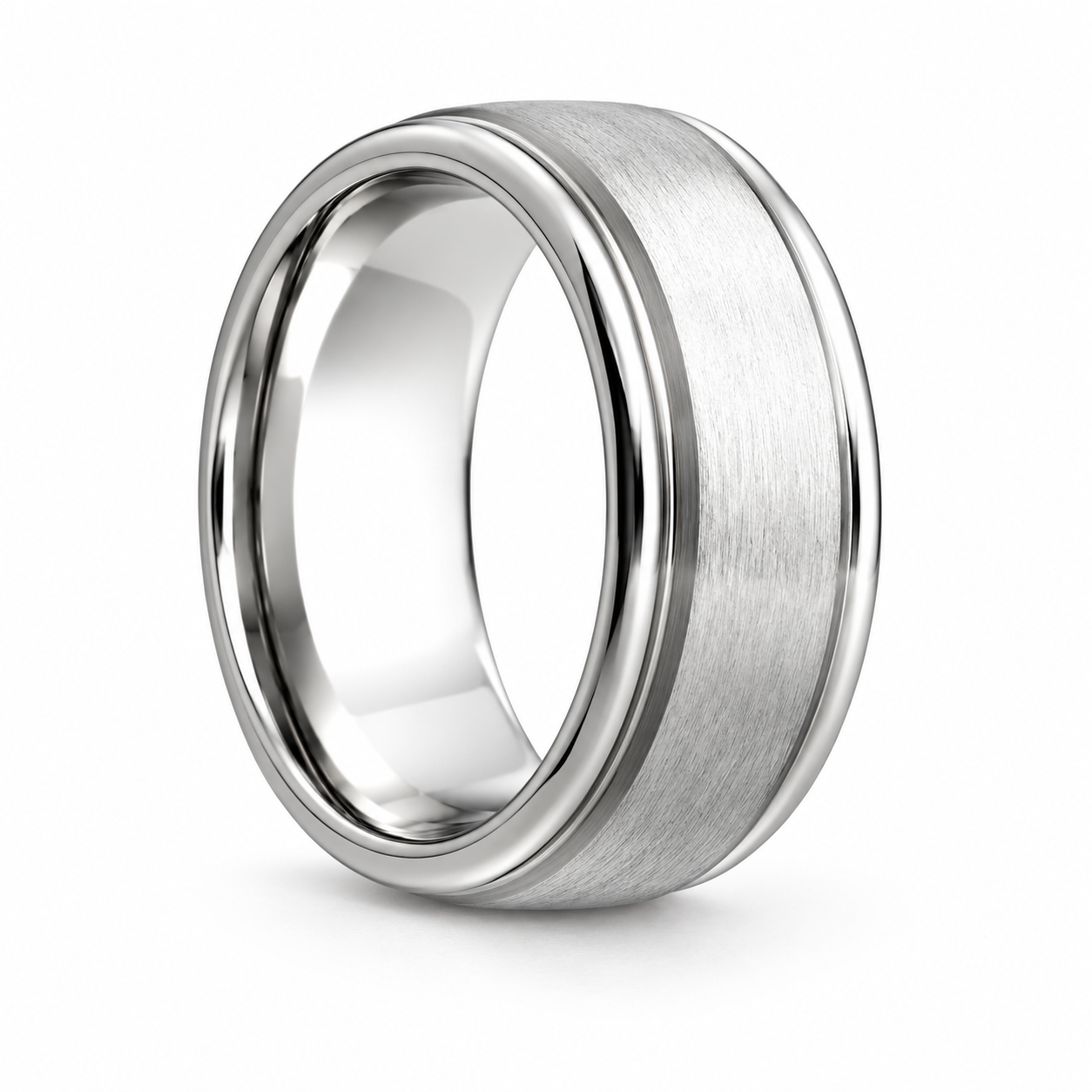
Cobalt Chrome
Designed to withstand high temperatures, this metal type retains its integrity for years to come.
-
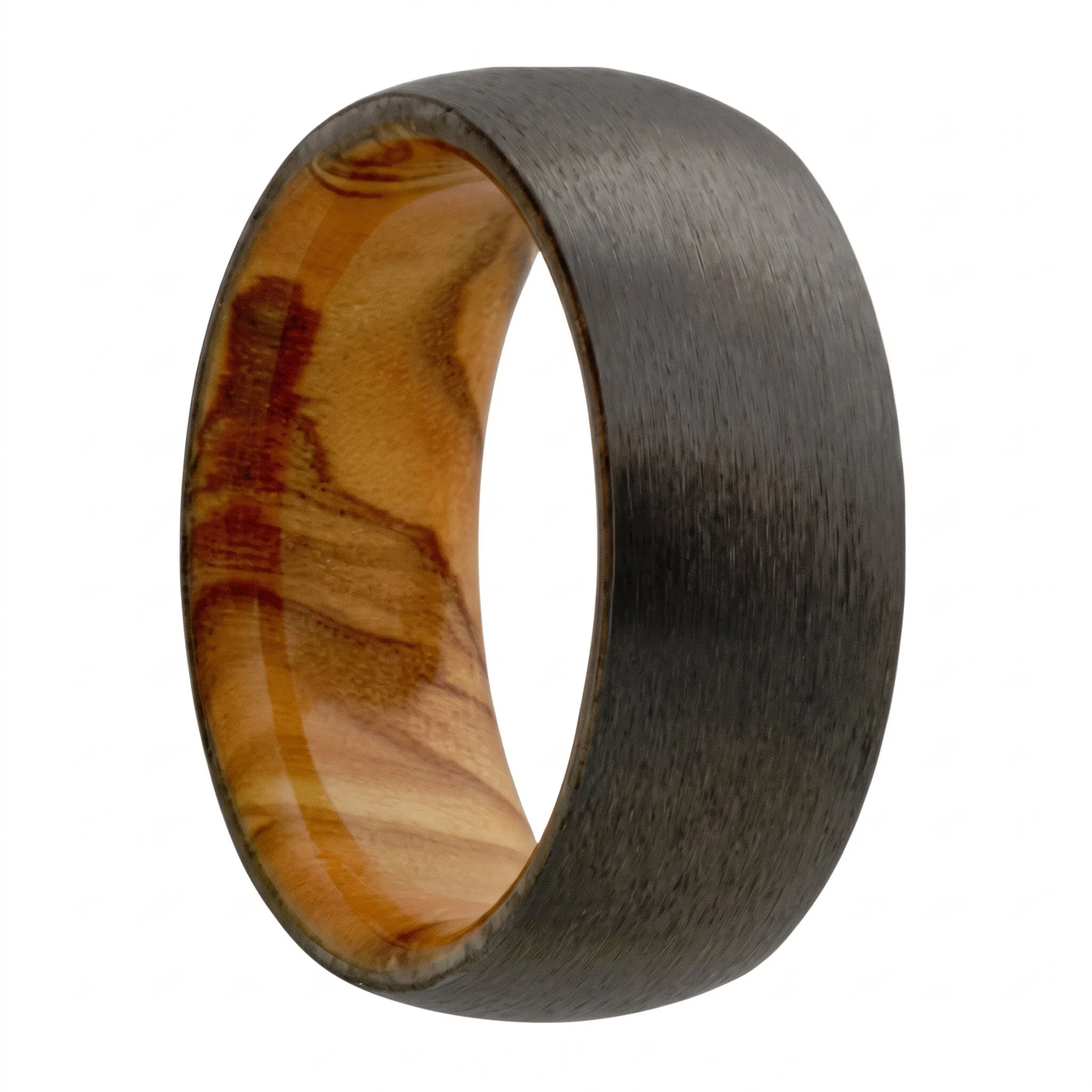
Zirconium
A dark, silver-gray color makes this metal a popular choice for men's wedding bands.
-
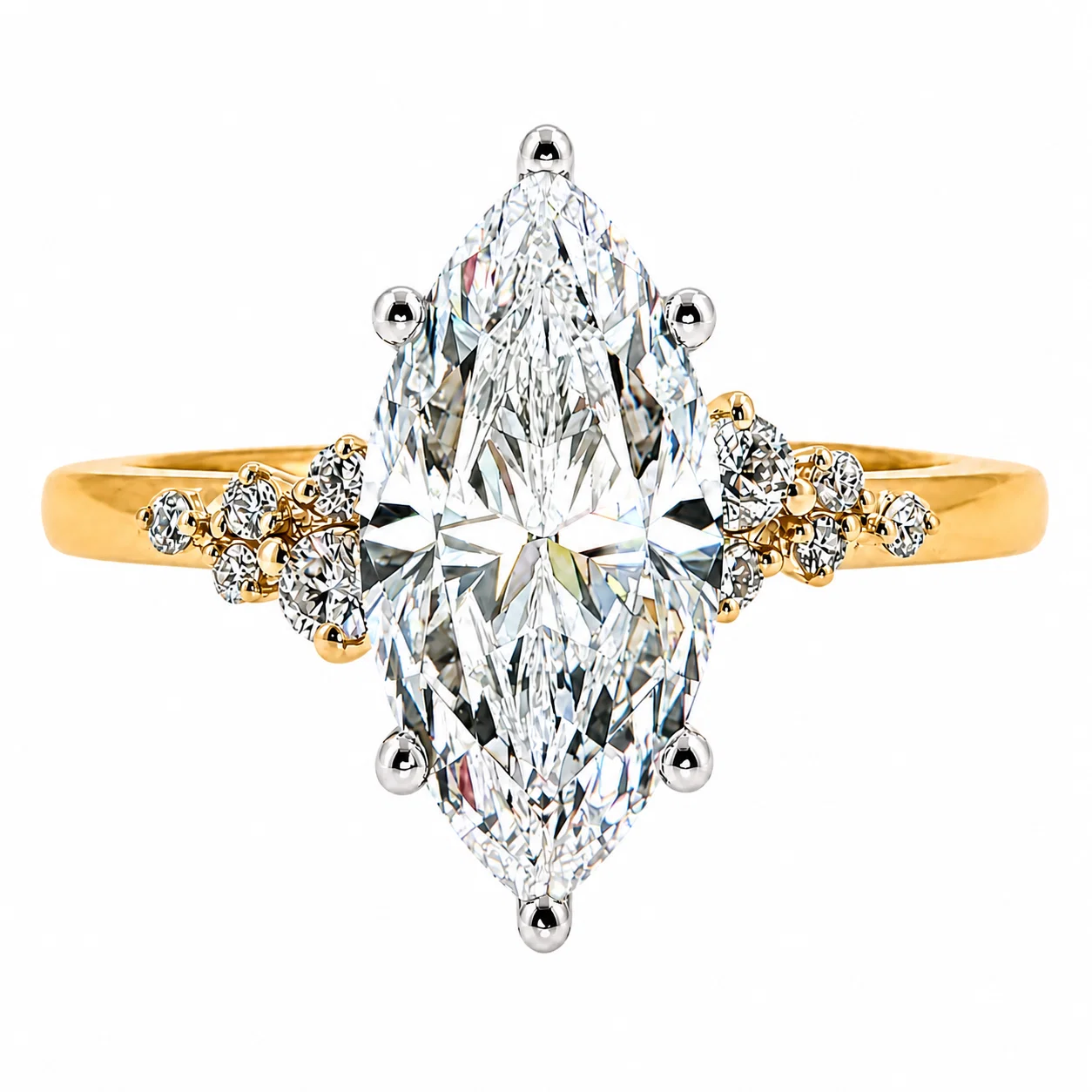
Prong Set
As the name suggests, four to six prongs hold the faceted stone tightly in place.
-
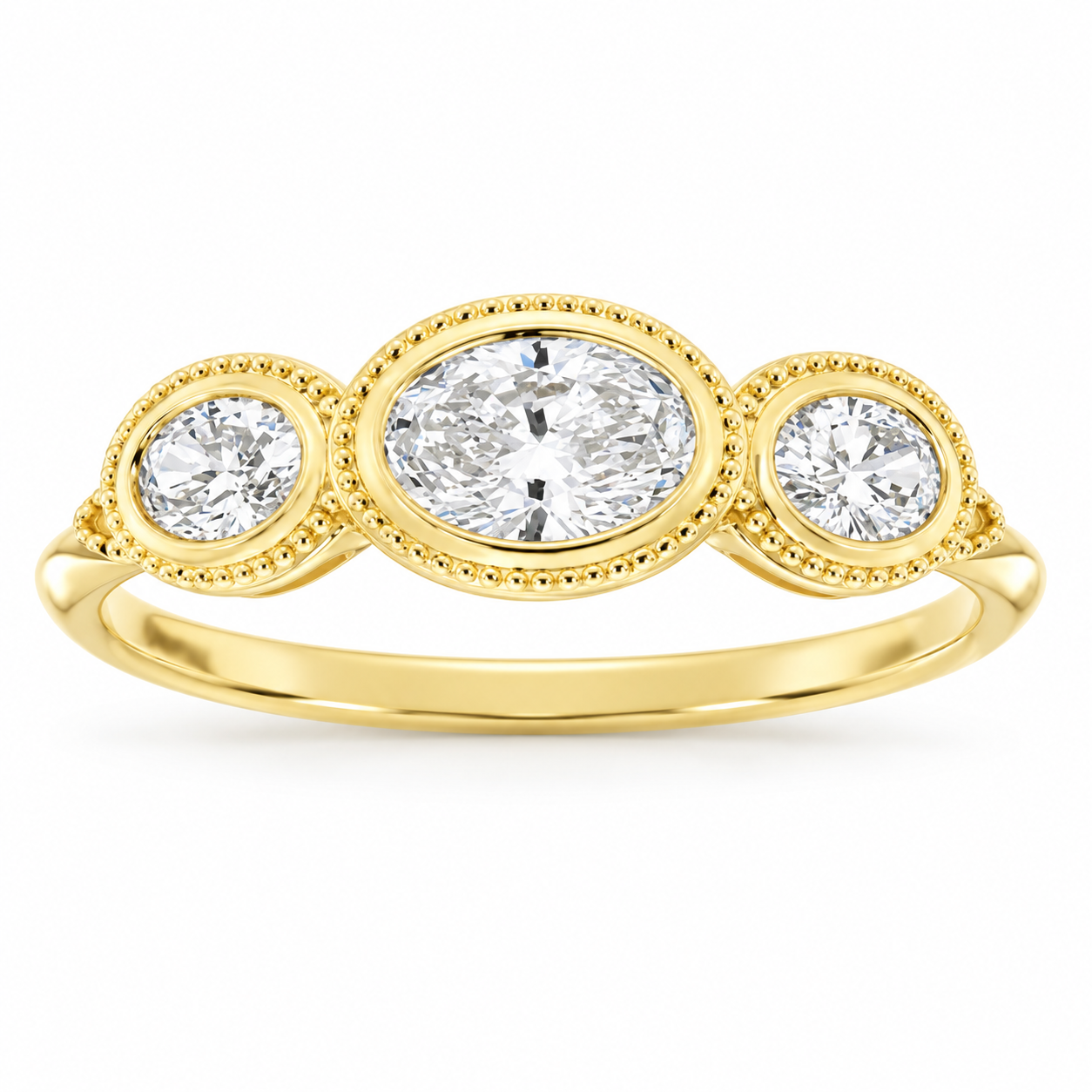
Bezel Set
A strip of metal strongly secures a diamond or gemstone within a mounting.
-
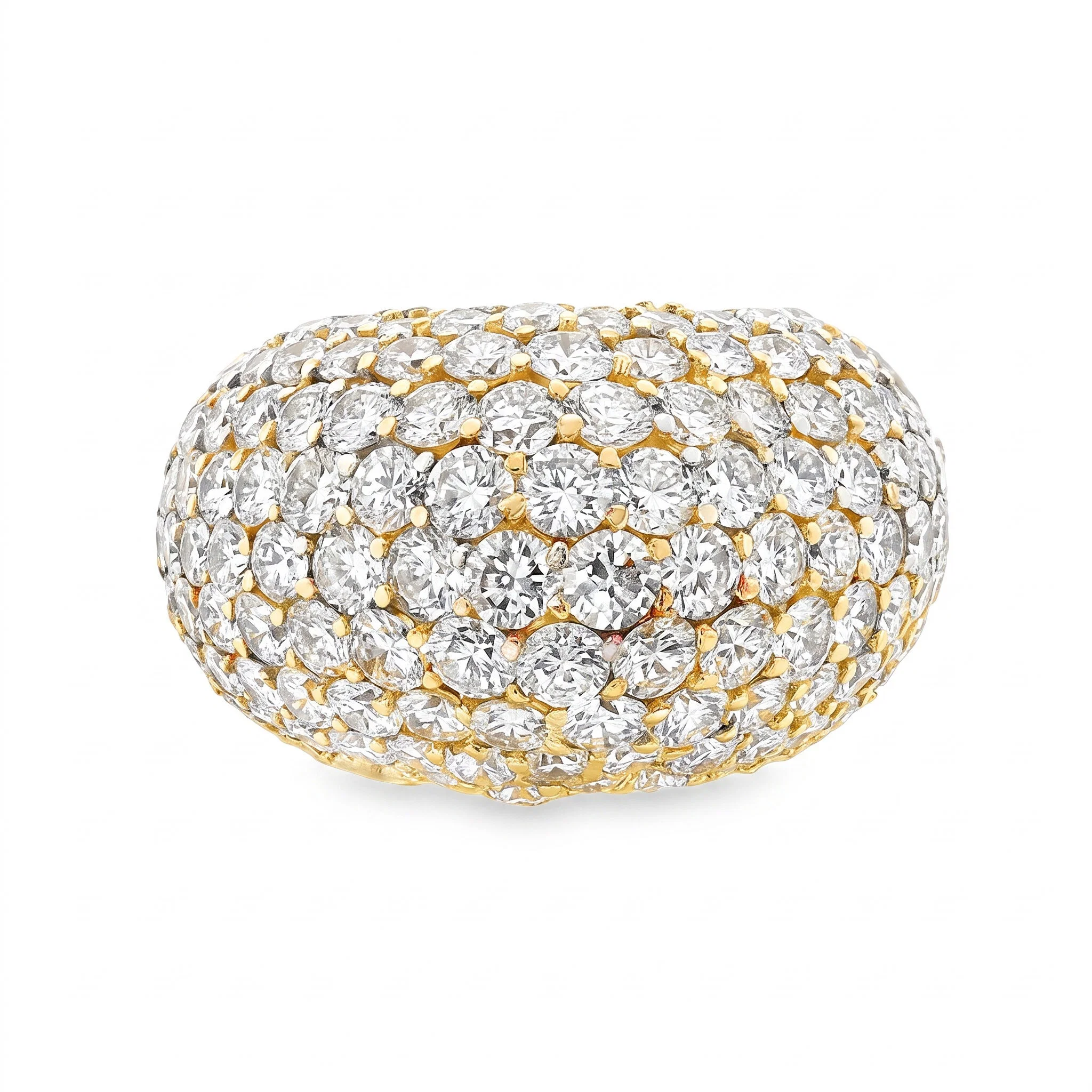
Pavé
Several small stones are set closely together to create an endless string of glimmering beauty.
-
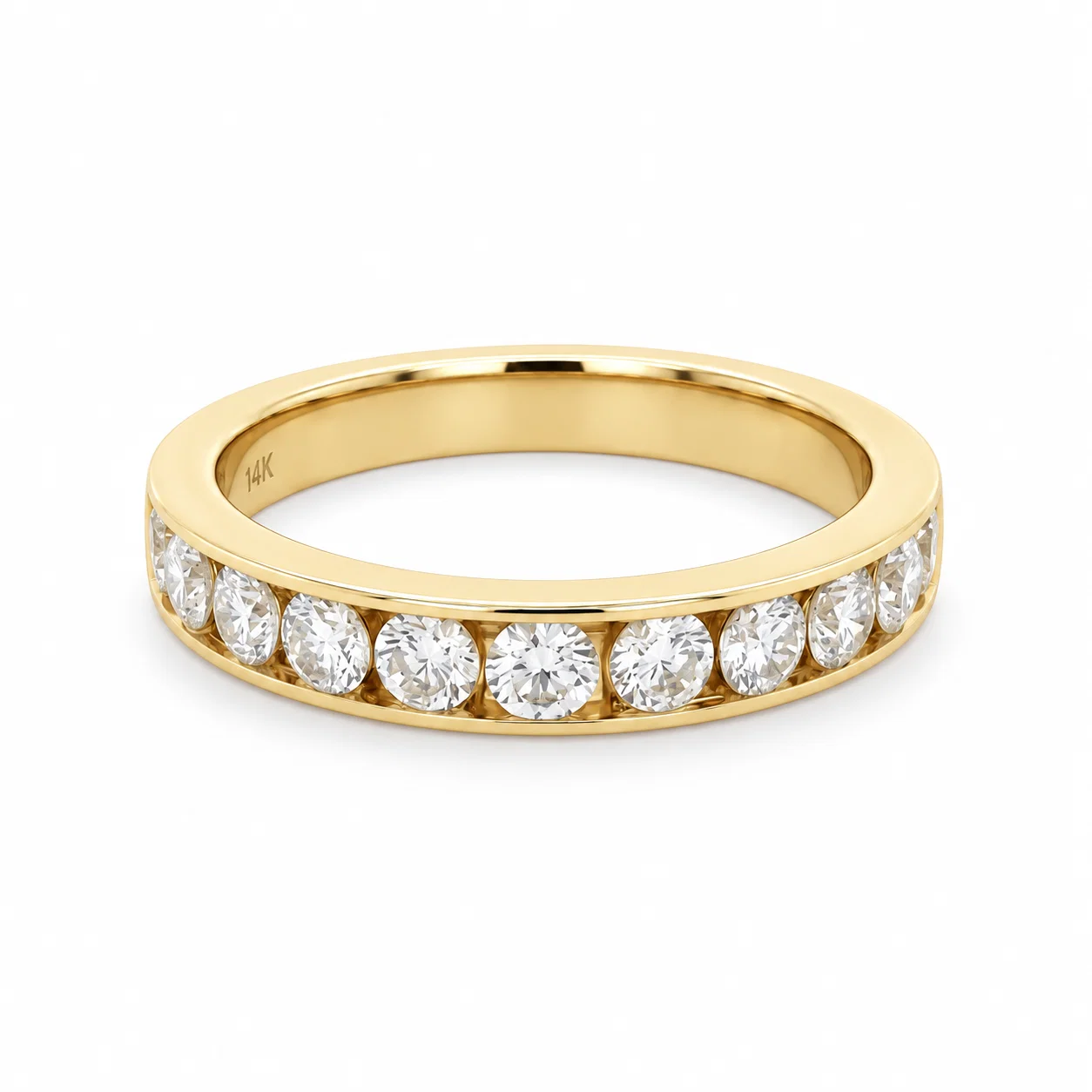
Channel Set
Gemstones fill a shallow slit in the metal and are secured with tension from either side.
-
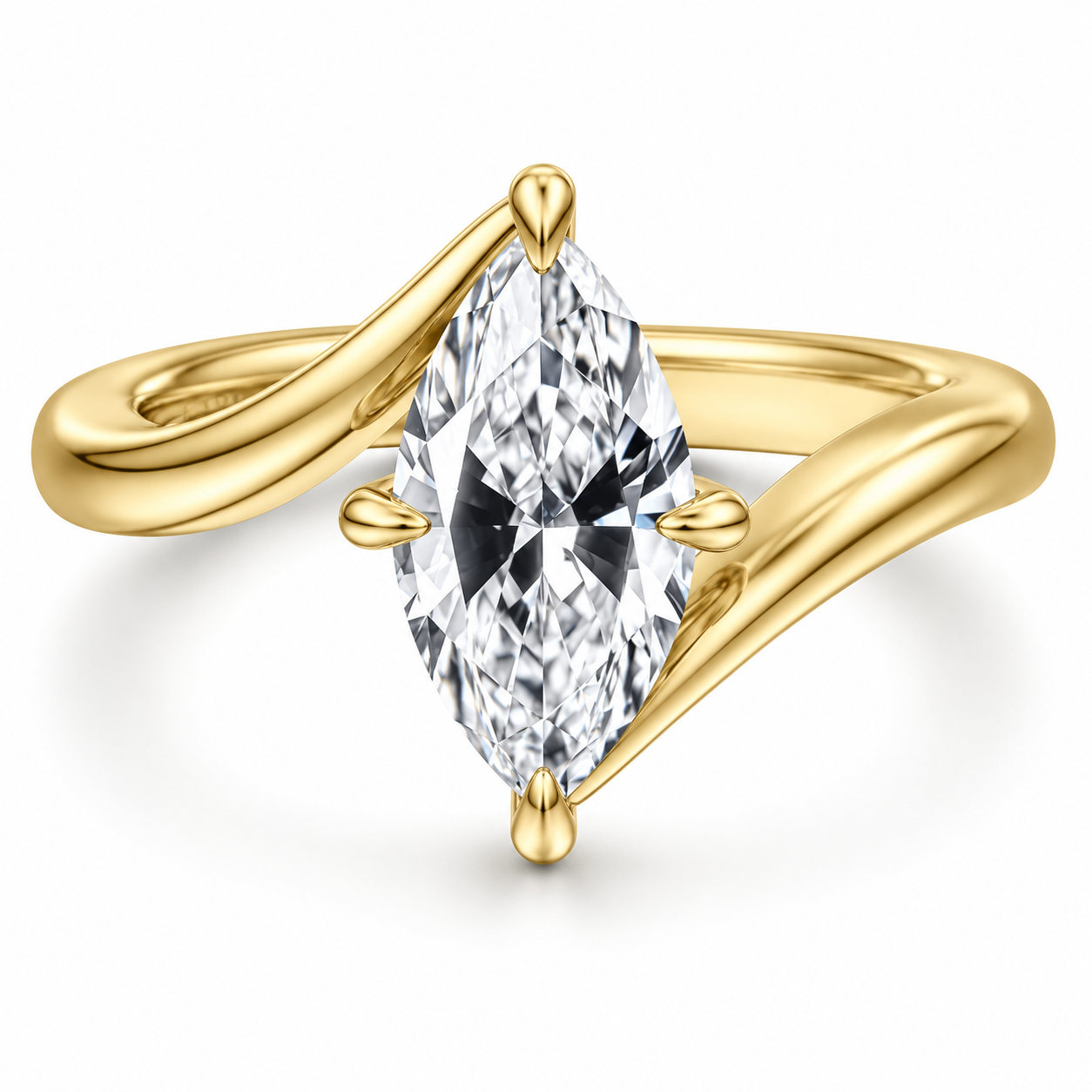
Tension Set
Hard gemstones are held in place purely by pressure, making the stone look as if it's floating.
-
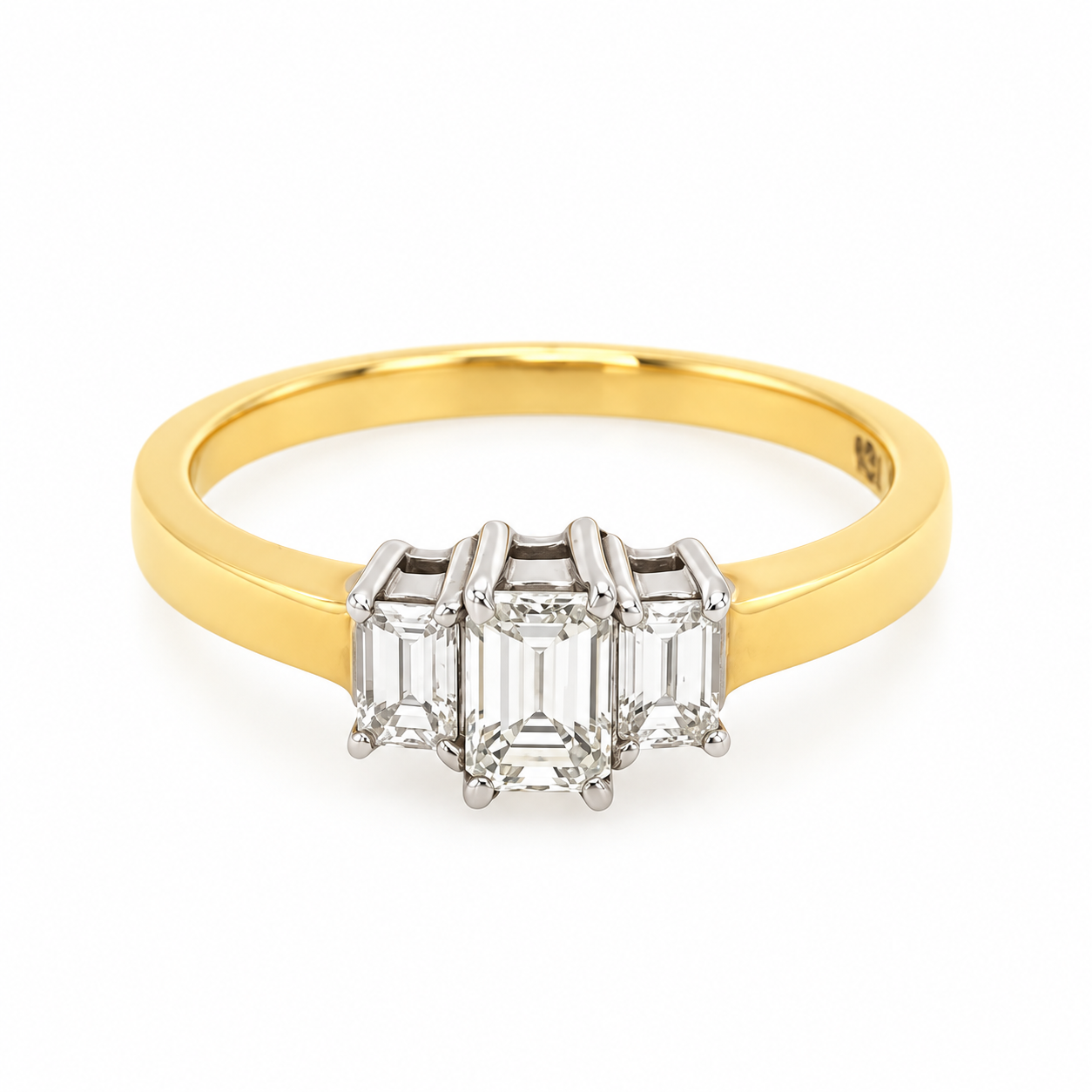
Bar Set
Small diamonds and stones are snugly held in place between two metal bars.